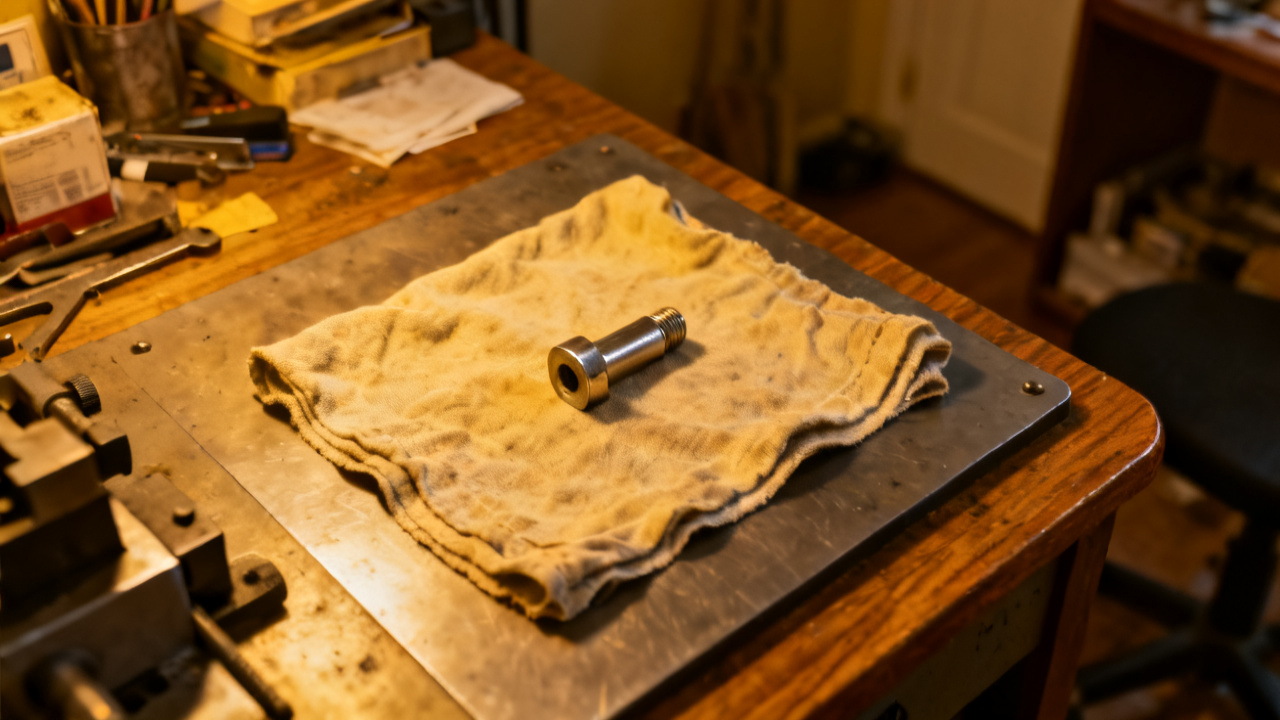
The part has a serial. The traveler lists serials on the back. You run a finger over the etched alphanumeric sequence, no burrs left around the marking to obscure any digits, and flip the single sheet over to line the two up side by side. You already confirmed the material grade and run number match the front of the sheet 10 minutes prior, when you pulled the first blank off the stock cart.
Details this traveler list documents for first-run validation
This sheet is generated by the production planning team 24 hours before your run starts, with every entry tied directly to the specific order for this part variant. The front of the sheet lists the run ID, part number, required tooling offsets, number of units in the batch, and inspection checkpoints for every 10th part that comes off the machine. It also includes the required tolerance for serial marking depth, 0.003 to 0.005 inches, so you can verify the etch is deep enough to remain visible through years of wear and tear, but not so deep that it compromises the structural integrity of the part’s mounting flange. The back of the sheet holds the pre-allocated serial number block for the entire run, consecutive with no gaps, assigned specifically for this production batch so you do not mix serials with other runs of the same part that go to different regional distributors. Each serial is tied to a unique heat lot number printed on the top right of the back page, for traceability back to the original material billet if there is a field issue later in the part’s lifecycle. You will also find a line for the laser marker program number, so you can confirm you are running the correct marking program for this specific run, instead of a program for a different part variant that uses a different serial prefix.

Cross-check you run between the first part serial and this traveler list
This check takes less than two minutes to complete, and prevents costly rework across the full batch if a marking or data entry error exists. Follow these steps in order to complete the validation:
- Locate the etched serial on the first finished part, wiping away any remaining cutting fluid or marking compound with a lint-free cloth to ensure you read every character correctly, paying special attention to easily mixed characters like 0 and O, or 1 and I.
- Find the first listed serial on the back of the traveler list, checking that the alphanumeric prefix matches the part family noted on the front of the sheet (for example, FV for flow valves, SM for sensor mounts, BP for bracket plates).
- Confirm the six-digit suffix on the part matches the first entry in the consecutive serial block, with no transposed digits or mismatched characters, and that the full serial falls within the block range listed at the top of the back page.
- Note any discrepancy between the part serial and the listed entry immediately on the bottom margin of the sheet, using a fine-tip permanent marker, before alerting the production lead to resolve the misalignment before you run additional parts.
- Sign and date the line next to the first serial entry to confirm you validated the match, using your assigned initials if you are filling out the sheet during a shift handoff.
Illustrative example: The first piece serial for a 1/2 inch NPT flow valve run reads FV-24-00179, matching the first entry on the traveler list’s back page, so you initial the line next to that entry and move to set up the automated marking fixture for the remaining 119 units in the run. You do not skip this check even if the marking fixture is pre-programmed, because a single misaligned digit in the program can lead to an entire run of parts with incorrect serials that require rework or full scrap, cutting into your shift output and delaying downstream assembly timelines. The most common mismatches you might encounter are transposed digits from a data entry error when the sheet was generated, or a leftover program from a previous run that was not cleared before you loaded the first blank. Catching these early eliminates hours of unnecessary rework later in the shift.
Post-validation storage for this traveler list ahead of your next review
After you complete the first-piece cross-check, you slide the sheet into the clear, labeled plastic sleeve mounted to the front of the machine control panel, where it stays visible for the full duration of the run for any shift leads or quality inspectors that stop by to audit progress. You keep it in this sleeve for the entire run, so you can reference the serial block if the marking machine throws an error mid-batch, or if you need to confirm the heat lot number when a quality team member pulls a random part for in-process inspection. Once the full run is complete and all serials are marked and verified, you return the sheet to the locked wall pocket at the Traveler Desk, filed under the run ID listed on the front page. You will pull this same sheet again when you conduct the final pre-shipment spot check for the batch, before the parts are packed for delivery to the assembly facility. When you open it for that review, you will cross-reference the signed first-piece line with the final serial entry on the back of the sheet to confirm there are no gaps in the sequence, every serial accounted for, no extra or missing units in the run. You will also cross-reference the serial numbers of the 5 randomly selected units you pull for final inspection with the entries on the list, confirming each is tied to the correct heat lot number listed on the top of the back page, and note any damaged parts or missing serials on the sheet so the inventory team can adjust the shipment count before the order goes out. You do not fold or crease the sheet when storing it, because you need all entries to remain legible for future traceability requests that may come months after the run is complete, when the parts are already in use in end products. The sheet remains in the locked filing system for a minimum of 7 years per industry traceability requirements, so it can be pulled at any time if there is a question about the run’s production process or part origin.